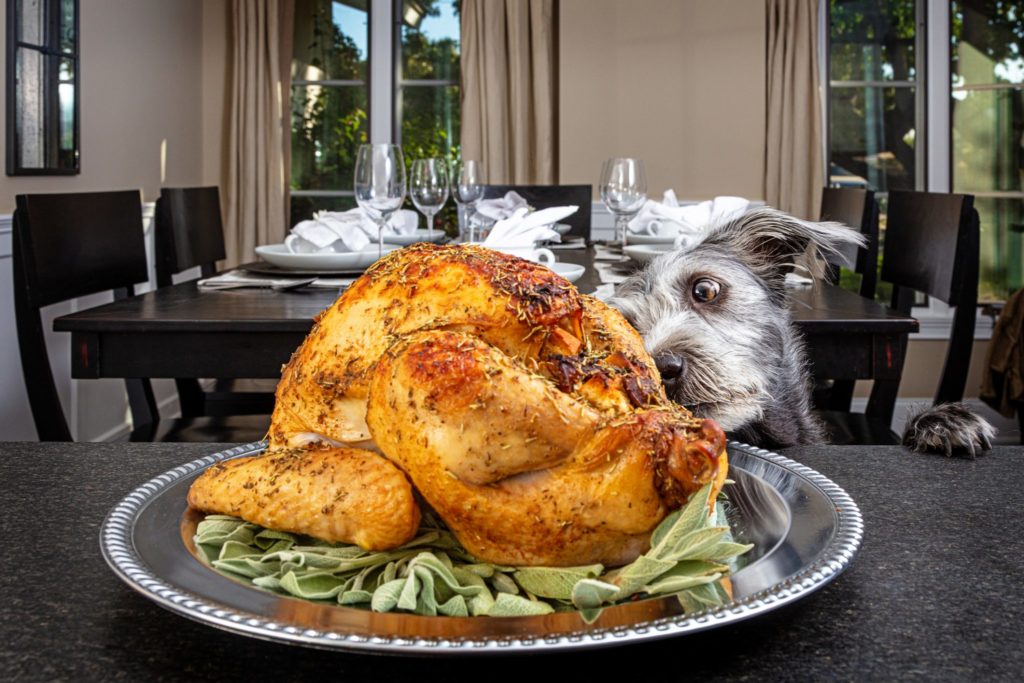
Many pet owners ask, “Can dogs eat turkey?” The short answer is that turkey can be safe for dogs when it’s plain, properly prepared, and served in moderation. Turkey offers lean protein and several nutrients, but it also comes with risks when seasoned, cooked with additives, or served with bones. Knowing when turkey is appropriate and when it isn’t helps you make informed feeding choices. If you ever feel unsure about whether your dog should eat a particular food, the team at Vo Vets in Fort Worth or Trophy Club, TX, can guide you. Call one of our locations or book an appointment online today.
What Makes Turkey Appealing for Dogs?
Turkey draws interest because it is widely available, lean, and easy to prepare. When pet owners ask, “Can dogs eat turkey?”, they often want to know if this everyday protein source fits into their dog’s nutritional needs. Turkey contains essential nutrients that support energy, muscle function, and overall routine wellness. While dogs can benefit from turkey, the key lies in how it is cooked and served. Many forms of turkey, especially holiday leftovers, contain seasoning and fats that may not sit well with your dog. Vo Vets provides guidance for pet owners who want clarity on safe food options and how certain ingredients fit into a balanced diet. If questions arise about turkey or other proteins, you can always call our hospitals for help.
The Nutritional Breakdown of Turkey
Turkey provides several nutrients that fit into the needs of many dogs. It offers high-quality protein, which helps maintain muscle tone and daily energy. Turkey also delivers B vitamins that support cellular function. Minerals such as zinc and selenium contribute to immune support and other functions. Plain, unseasoned turkey gives dogs access to these nutrients without unnecessary additives. When asking, “Can dogs eat turkey?”, it helps to consider how each nutrient plays a role in your dog’s normal routine. While turkey can complement a dog’s diet, it should not replace regular, veterinarian-recommended meals. Vo Vets can help you determine what balance works best for your dog.
What Parts of Turkey Are Considered Safer for Dogs?
When exploring whether dogs can eat turkey, many owners want to know which cuts are appropriate. Lean, cooked turkey breast without skin is usually the best option. Turkey breast is low in fat and free from the heavy seasoning found in many holiday dishes. Dark meat contains more fat, and although some dogs tolerate it, lighter portions tend to be easier on the digestive system. Skin and fatty trimmings can lead to digestive discomfort. Exploring whether or not dogs can eat turkey often reveals how much variety exists in this protein source. Choosing carefully helps your dog enjoy the benefits of turkey without the drawbacks.
Turkey Breast vs. Dark Meat
Turkey breast delivers lean protein with fewer calories and less fat, which makes it a popular choice for many pet owners. Dark meat offers more moisture but also contains more fat, which some dogs may struggle to digest. If you serve turkey breast, aim for plain, thoroughly cooked pieces without seasoning or oil. If you choose dark meat, provide small amounts and monitor how your dog responds. Dogs have different tolerances, and even lean options should be served in moderation. Vo Vets can help you decide what type of turkey best fits your dog’s needs.
Is Deli Turkey Safe?
Many people ask if deli turkey fits the category of safe turkey for dogs. Deli turkey is often high in sodium and includes preservatives that dogs do not need. These additives can be problematic when eaten frequently. Small bites of low-sodium deli turkey may be tolerated, but they should not become part of your dog’s regular diet. Before offering deli slices, consider whether a plain, home-cooked alternative would be healthier. If you’re still wondering, “Can dogs eat turkey in deli form?”, the safest route is limiting it or avoiding it altogether.
Turkey Risks Pet Owners Should Know About
Many turkey dishes include seasoning, butter, garlic, onions, stuffing, or other ingredients that do not align with your dog’s dietary needs. Bones also present hazards, especially cooked turkey bones that can splinter. Understanding these risks helps you avoid unintentional problems. Vo Vets encourages pet owners to stay informed about the foods their dogs encounter at gatherings, during the holidays, or in everyday meals.
Seasonings and Additives
Turkey often comes seasoned with salt, butter, oils, garlic, and onions. Garlic and onions can cause harm when dogs ingest them, even in small amounts. Butter and heavy oils add unnecessary fat. Many holiday turkeys soak in marinades that include sugar or spices. If your dog consumes seasoned turkey, their stomach may respond poorly. When pet owners ask, “Can dogs eat turkey that’s seasoned?”, the answer tends to lean toward avoiding it. Plain turkey offers a safer alternative. If you find yourself unsure whether a recipe contains dog-safe ingredients, Vo Vets can offer guidance.
Cooked Bones and Bone Splintering
Cooked turkey bones are brittle and prone to breaking into sharp fragments. These fragments pose risks when swallowed. Many pet owners assume turkey bones are similar to raw bones or treats, but cooked bones behave differently. When someone asks if dogs can eat turkey bones, it helps to know these bones crack easily under pressure. Dogs may swallow pieces before you notice, which can complicate the situation. The safest option is to remove bones promptly and keep them out of reach. Vo Vets encourages pet owners to stay mindful about leftovers on tables, counters, and plates.
High-Fat Trimmings
Turkey skin and fatty drippings appeal to dogs due to the rich smell and taste. These parts, however, contain large amounts of fat that may contribute to digestive upset. Fatty leftovers from roasting pans or carved platters should stay off your dog’s menu. Dogs may become interested when the smell fills the home, especially around holidays. If someone asks, “Can dogs eat turkey with skin?”, leaner portions offer a healthier option. Removing the skin and trimming excess fat helps reduce unnecessary dietary stress. If you want personalized guidance, Vo Vets is here to support you.
How Much Turkey Can Dogs Safely Eat?
Many pet owners want to understand the right serving size once they learn that dogs can eat turkey under the right conditions. Moderation makes the biggest difference. Turkey should act as a supplement, not a replacement for a complete dog food formula. A few plain, bite-sized pieces often work well for most dogs. Large servings may overwhelm your dog’s system. Dogs benefit from structured diets tailored to their age, size, and activity level. Vo Vets can help you determine an appropriate amount if you want to include turkey occasionally.
Consider Your Dog’s Usual Diet
Dogs have different nutritional needs depending on their life stage, weight, and overall health. If turkey becomes part of your routine treat rotation, consider how it fits into their daily intake. Choosing plain, lean turkey gives your dog a low-fat protein source that works well as a training reward or mix-in. If you incorporate turkey too often, your dog may consume more calories than intended. Turkey should complement, not replace, the foods your veterinarian recommends. Vo Vets helps pet owners understand how additional proteins fit into structured diets.
Portion Size Suggestions
Smaller dogs should receive smaller portions, while larger dogs can handle slightly bigger bites. Even so, moderation remains key. Offering too much turkey may contribute to digestive discomfort. A few bite-sized pieces make a great occasional treat. If you’re still wondering, “Can dogs eat turkey in larger servings?”, the safer option is keeping portions small. Vo Vets supports pet owners who want to make informed choices about nutritional add-ins.
Healthy Ways to Offer Turkey to Your Dog
Once you understand the benefits and risks, you may want ideas on how to serve turkey safely. The question “Can dogs eat turkey?” often leads to preparing small amounts specifically for your pet. Plain, cooked turkey without skin offers a reliable starting point. Avoid frying or heavy oils. Instead, stick to simple cooking methods. Vo Vets encourages safe food practices that support your dog’s daily routine.
Simple Preparation Ideas
Baking or boiling turkey provides a clean, straightforward method. The goal is to keep it plain and free from added fats. Once cooked, remove any skin and trim visible fat. Then cut the turkey into small, manageable bites. Choose pieces without bones. This simple approach answers the question of whether dogs can eat turkey safely, with a method that reduces unnecessary risks.
Mix-Ins and Treat Uses
Many pet owners enjoy using turkey as a training reward or small mix-in. Add a few cooked pieces to your dog’s regular food for added flavor. Stick to small amounts so the meal stays balanced. If you prepare homemade treats, turkey can add lean protein to the recipe. Vo Vets can help you determine how these additions fit into your dog’s overall intake.
Why Pet Owners Should Stay Informed When Sharing Foods
Pet owners often share their meals with their dogs, especially during holidays or celebrations. The question “Can dogs eat turkey?” becomes part of a bigger conversation about shared foods and your dog’s daily nutrition. Turkey can fit into a dog’s life when offered in a careful and controlled way. Staying informed helps you avoid ingredients, bones, and fats that may cause problems. If you have questions about turkey or any other food item, reach out to Vo Vets in Fort Worth or Trophy Club. Call one of our locations or book an appointment online today.